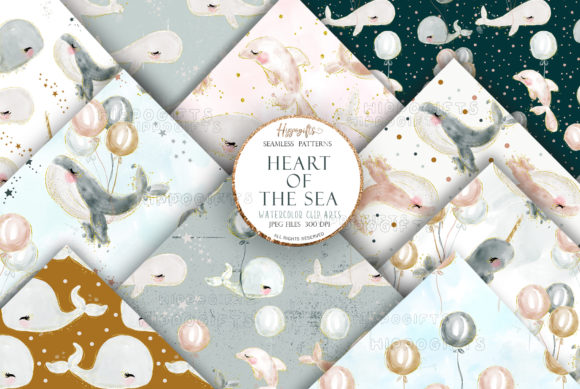
Watercolor Whale Patterns
As a designer who frequently works with branding, packaging, and digital marketing visuals, I often seek out design assets that can elevate a project without overpowering it. Watercolor Whale Patterns is one such asset that offers a unique blend of artistic charm and versatility. The soft, flowing lines and gentle color palette immediately evoke a sense of calm and creativity, making it ideal for projects that aim to feel organic, whimsical, or nature-inspired.
The First Impression: A Mellow, Artistic Mood
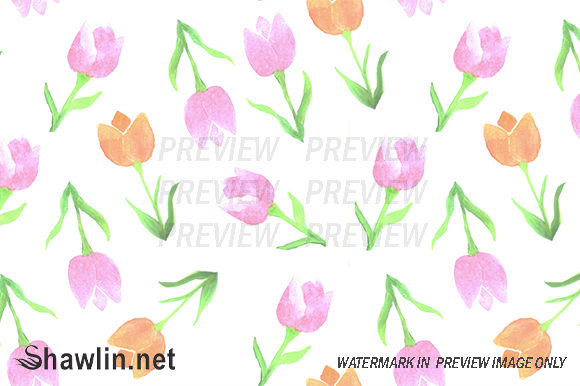
Watercolor Whale Patterns exudes a mellow, artistic mood that feels both timeless and modern. The watercolor technique gives the illustrations a handcrafted quality, which can be incredibly effective for handmade businesses, boutique brands, or seasonal campaigns. This style is particularly well-suited for creative marketplaces like Etsy, where visual appeal and storytelling are key components of the product offering.
The patterns themselves are not overly complex, allowing them to serve as a subtle background or a decorative element rather than a dominant feature. This makes them perfect for use in print-on-demand products, t-shirt designs, or social media graphics where a touch of personality can make a big difference.
Real-World Applications: From Packaging to Digital Ads
When considering real-world applications, Watercolor Whale Patterns shines in several areas. In packaging design, it can be used as a background for product labels, adding a soft, artistic flair that complements eco-friendly or artisanal brands. For t-shirt design, the patterns can be applied as a subtle print, giving the garment a unique, custom feel without being overwhelming.
In digital marketing, these patterns can serve as hero graphics for websites, blog posts, or social media content. They add visual interest without competing with text or other design elements. For Canva templates or Cricut projects, they offer a ready-made aesthetic that can be easily customized to fit a specific brand or campaign.
For sticker design or printable wall art, Watercolor Whale Patterns provides a cohesive and appealing visual language that can be scaled up or down depending on the application. It’s also a great choice for sublimation design, where the softness of the watercolor style can translate beautifully onto fabric or other materials.
Where It Works Best: Large Layouts and Themed Collections
Watercolor Whale Patterns excels in large layout areas, such as product mockups, editorial spreads, or website headers. Its fluid, organic shapes are best appreciated when given space to breathe, allowing the viewer to focus on the overall composition rather than individual details.
It also works well in themed collections, such as seasonal campaigns or limited-edition product lines. The patterns can be used consistently across multiple design elements, creating a unified look that reinforces brand identity and visual cohesion.
For social media posts, especially those targeting a more relaxed, creative audience, these patterns can serve as a backdrop or border, enhancing the aesthetic without distracting from the message.
Where to Use with Caution: Minimalist and Corporate Projects
While Watercolor Whale Patterns is a strong creative design, it may not be the best fit for minimalist branding or professional corporate materials. In such cases, the soft, flowing lines could clash with clean, structured layouts or high-contrast visuals.
Similarly, if the project requires a very clear visual hierarchy or a highly polished look, this pattern might need to be used sparingly or paired with stronger design elements to maintain balance. It’s also important to consider contrast when placing it on light or dark backgrounds, ensuring that it doesn’t compromise readability or legibility.
Impact on Readability and Brand Consistency
One of the key considerations when using any graphic design asset is how it affects readability and brand consistency. Watercolor Whale Patterns, while visually appealing, should be used in a way that doesn’t interfere with the primary message or visual flow of a design.
When integrated thoughtfully, it can enhance emotional appeal and audience engagement by adding a sense of warmth and creativity. However, it’s essential to test it in different contexts—such as black and white, small sizes, or crowded layouts—to ensure it maintains its effectiveness across all applications.
Practical Designer Notes: What to Check Before Using
Before using Watercolor Whale Patterns for a client project, there are several practical steps to take. First, check the file formats—whether it’s a PNG design, SVG design, or another format—and ensure it meets the project’s requirements. If transparency is needed, inspect the PNG files carefully to confirm that the background is properly removed.
Test the patterns on real mockups, including t-shirts, mugs, or packaging, to see how they translate in physical form. Also, review the commercial license to make sure it allows for the intended use, especially if the design will be part of a digital product or print-on-demand offering.
Consider how it pairs with different font styles—serif, sans serif, script, or display fonts—and evaluate whether it enhances or detracts from the overall design. Finally, preview the patterns at various sizes to ensure they remain legible and visually pleasing at both small and large scales.
Conclusion: A Versatile Asset for Creative Projects
Watercolor Whale Patterns is a versatile and expressive design asset that can bring a fresh, artistic touch to a wide range of projects. Whether you're working on a handmade business branding effort, an Etsy product launch, or a seasonal marketing campaign, this pattern offers a unique visual language that can elevate your work without overshadowing it.
By understanding its strengths and limitations, designers can use it effectively to enhance visual storytelling, support brand identity, and create engaging, memorable designs that resonate with their target audience.